Everyone
All 41 people in the archive, in one list. Of those, 11 have a photograph, because freely licensed portrait photography effectively stops around 1946 and the early generations are the ones with faces. The 13 living relatives who have not agreed to appear in full are here by name and place in the family only, marked private, with nothing of theirs counted.
Names, occupations, and the places people were born or died.
41 peopleFiled under family name, then first name. Most of this family carries one surname, so inside that group it reads as an alphabet of first names.
Bennetts
2 people
Chenoweth
1 person
Ellis
1 person
Olds
1 person
Trelease
1 person
Trevorrow
33 people
 Arthur Samuel Trevorrow1901 to 1963Merchant seaman; from 1936, boat builder3 accomplishments
- Barry Arthur Trevorrow1941 to 2015Underground fitter, the Golden Mile, Kalgoorlie3 accomplishments
- Charlotte Grace TrevorrowlivingChild of Megan Ruth TrevorrowPrivate
- Cheryl Ann TrevorrowlivingMarried to Gary Thomas TrevorrowPrivate
- Demelza Jane Trevorrowborn 1975Heritage and collections officer, Geevor Tin Mine, Pendeen3 accomplishments
- Dennis Vingoe TrevorrowlivingChild of Donald Vingoe Trevorrow and Marilyn TrevorrowPrivate
- Donald Vingoe Trevorrow1926 to 2004US Navy 1944 to 1946; miner, Empire Mine, to 1956; then Pacific Gas and Electric, 24 years3 accomplishments
- Doris Trevorrow1908 to 1991At home; wartime canteen work, Fremantle harbour2 accomplishments
- Elsie May Trevorrow1903 to 1918Pupil teacher, St Just board school2 accomplishments
- Gary Thomas Trevorrowborn 1953Grass Valley Group, 1972 to 2002: production test technician, then manufacturing supervisor3 accomplishments
 Grace Trevorrow1871 to 1949Bal maiden to sixteen; then miners lodging-house keeper3 accomplishments
- Hannah Grace TrevorrowlivingChild of Stephen Kenneth Trevorrow and Karen TrevorrowPrivate
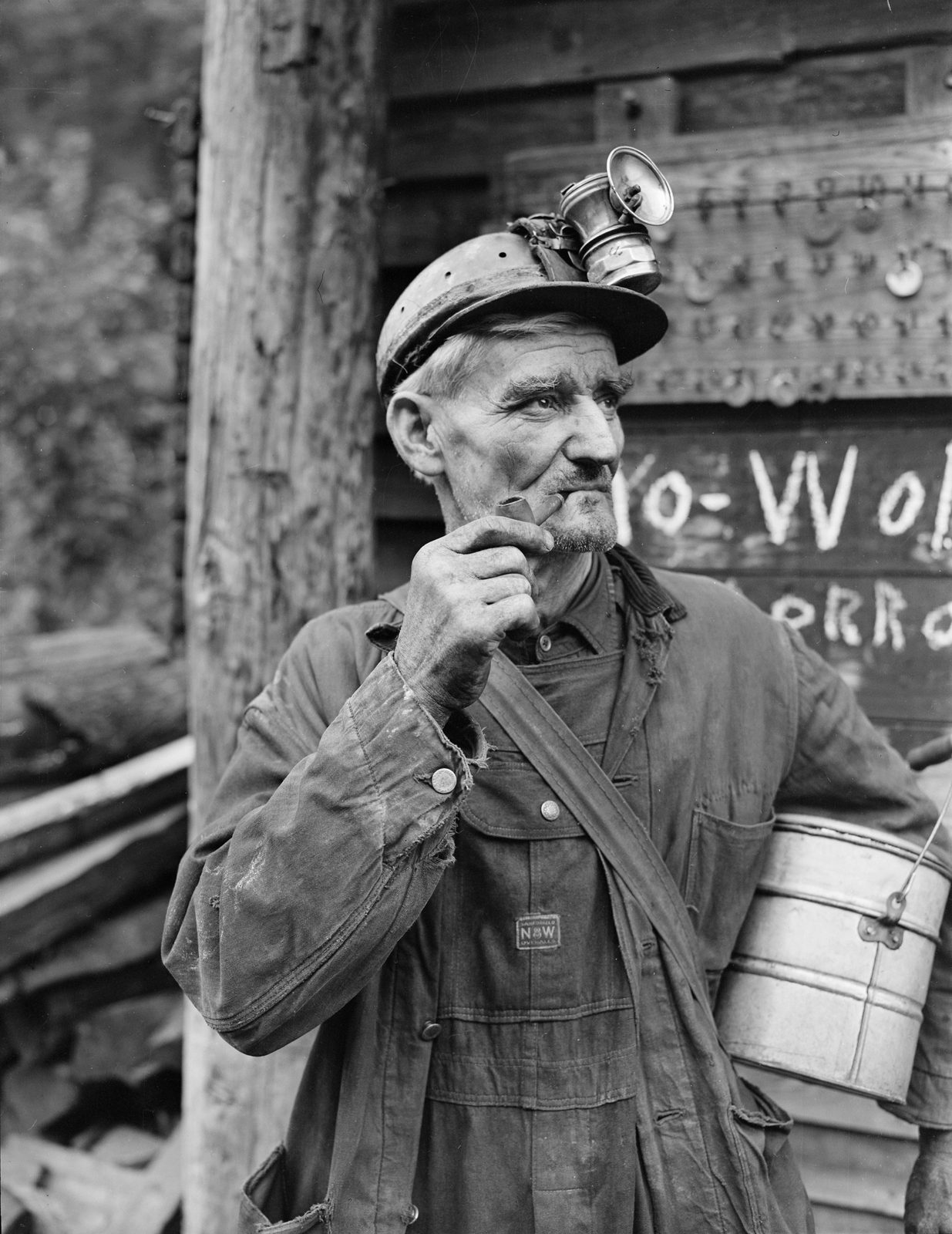 Hedley Vingoe Trevorrow1910 to 1984Tin miner then shift boss, Geevor Mine, Pendeen, 1927 to 19713 accomplishments
- Ivy Trevorrow1912 to 1997At home; school cleaner, Pendeen, 1958 to 19752 accomplishments
- Jack Kenneth TrevorrowlivingChild of Stephen Kenneth Trevorrow and Karen TrevorrowPrivate
- Jennifer Trevorrow1939 to 1998District nurse, West Penwith round, 1962 to 19912 accomplishments
- Joshua Vingoe TrevorrowlivingChild of Gary Thomas Trevorrow and Cheryl Ann TrevorrowPrivate
- Karen TrevorrowlivingMarried to Stephen Kenneth TrevorrowPrivate
- Kenneth Hedley Trevorrow1936 to 2009Mine surveyor, Geevor Mine, Pendeen, 1952 to 19903 accomplishments
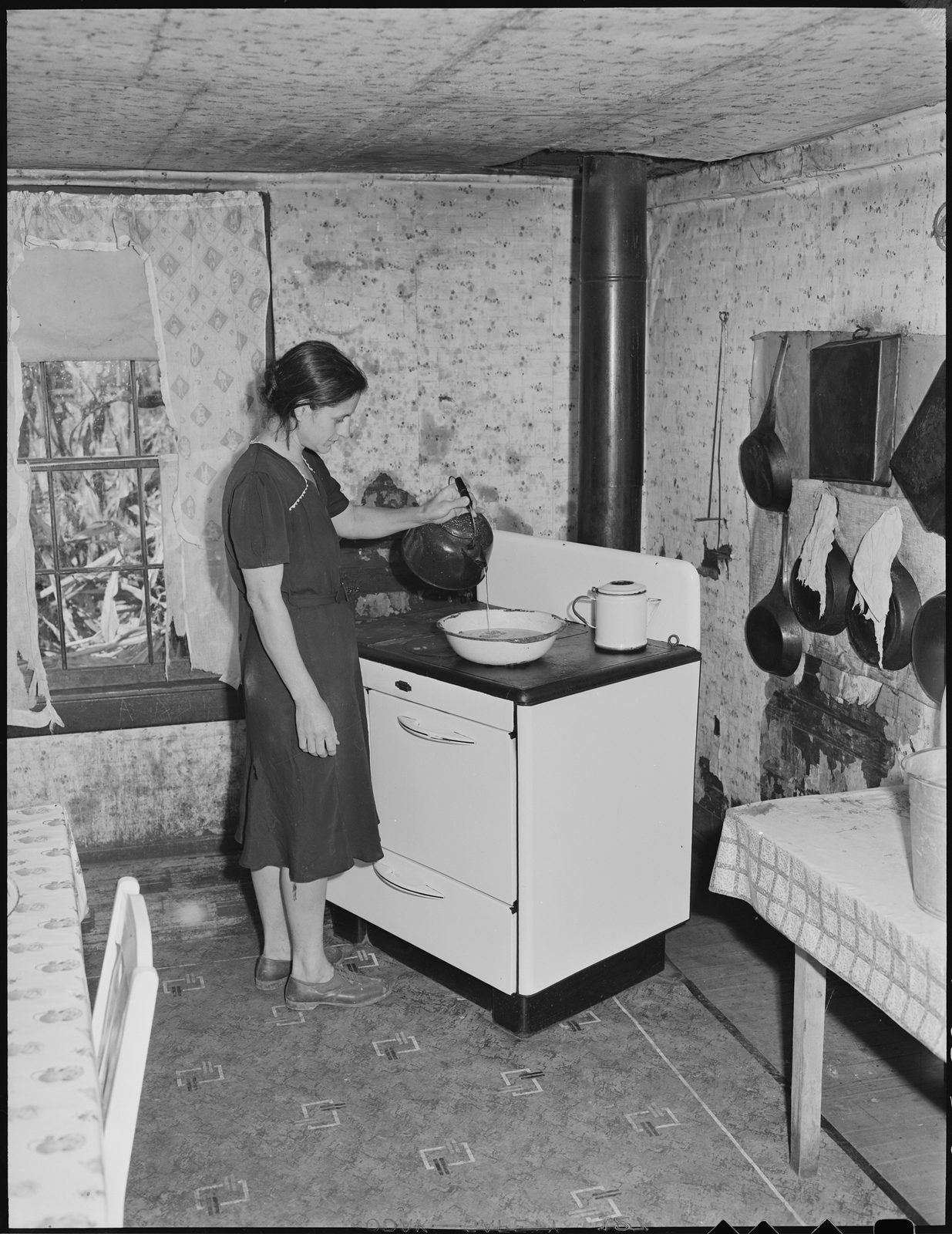 Loveday Grace Trevorrow1896 to 1971Post office counter clerk, St Just, 1913 to 19543 accomplishments
- Mabel Trevorrow1902 to 1984At home; Methodist church supper organiser2 accomplishments
- Marilyn Trevorrow1930 to 2019Cataloguer, Nevada County Library, 1952 to 19903 accomplishments
- Megan Ruth TrevorrowlivingChild of Dennis Vingoe Trevorrow and Sandra Jane TreleasePrivate
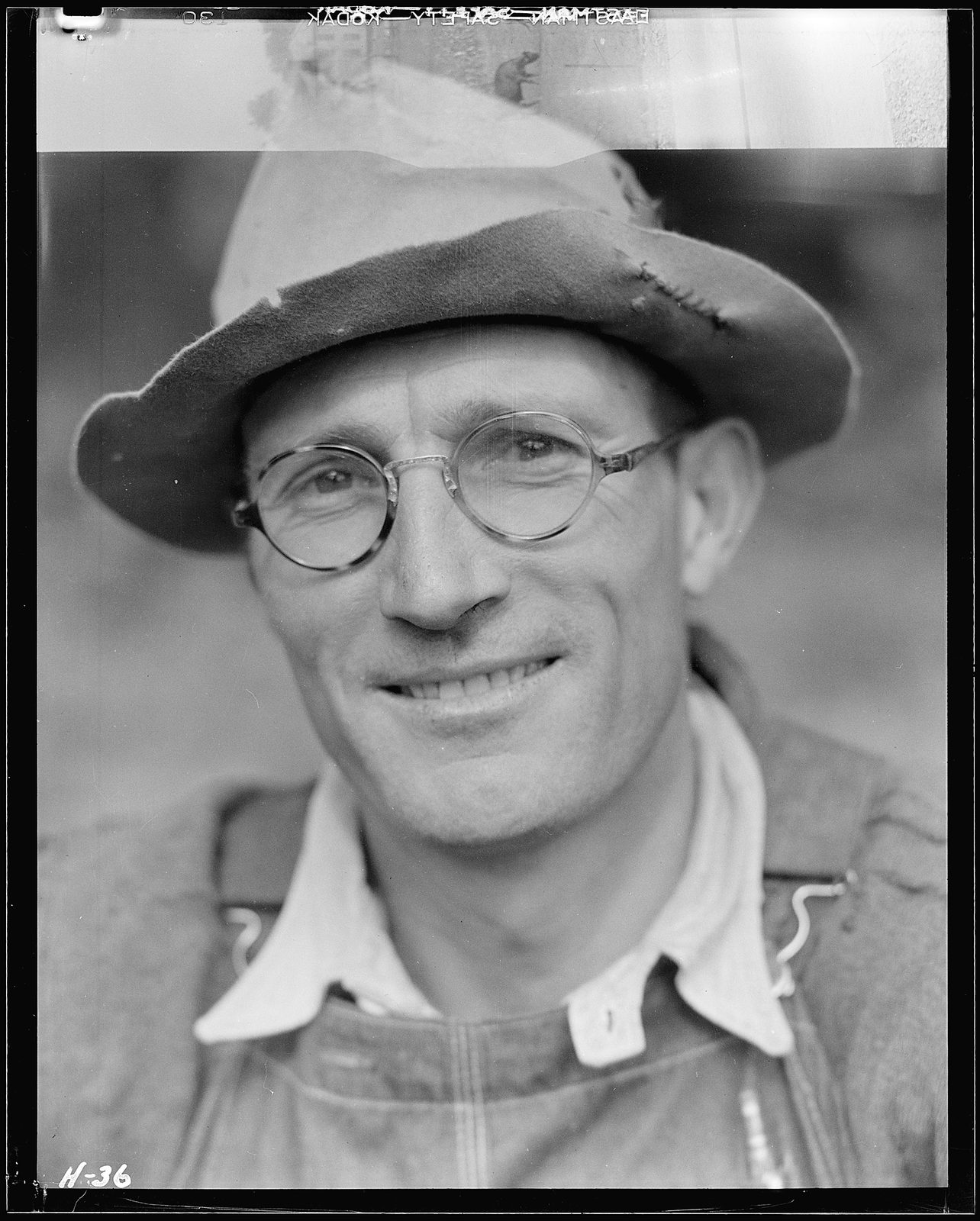 Nicholas John Trevorrow1893 to 1926Tin miner, Levant; Sapper, 251st Tunnelling Company, Royal Engineers; then carrier3 accomplishments
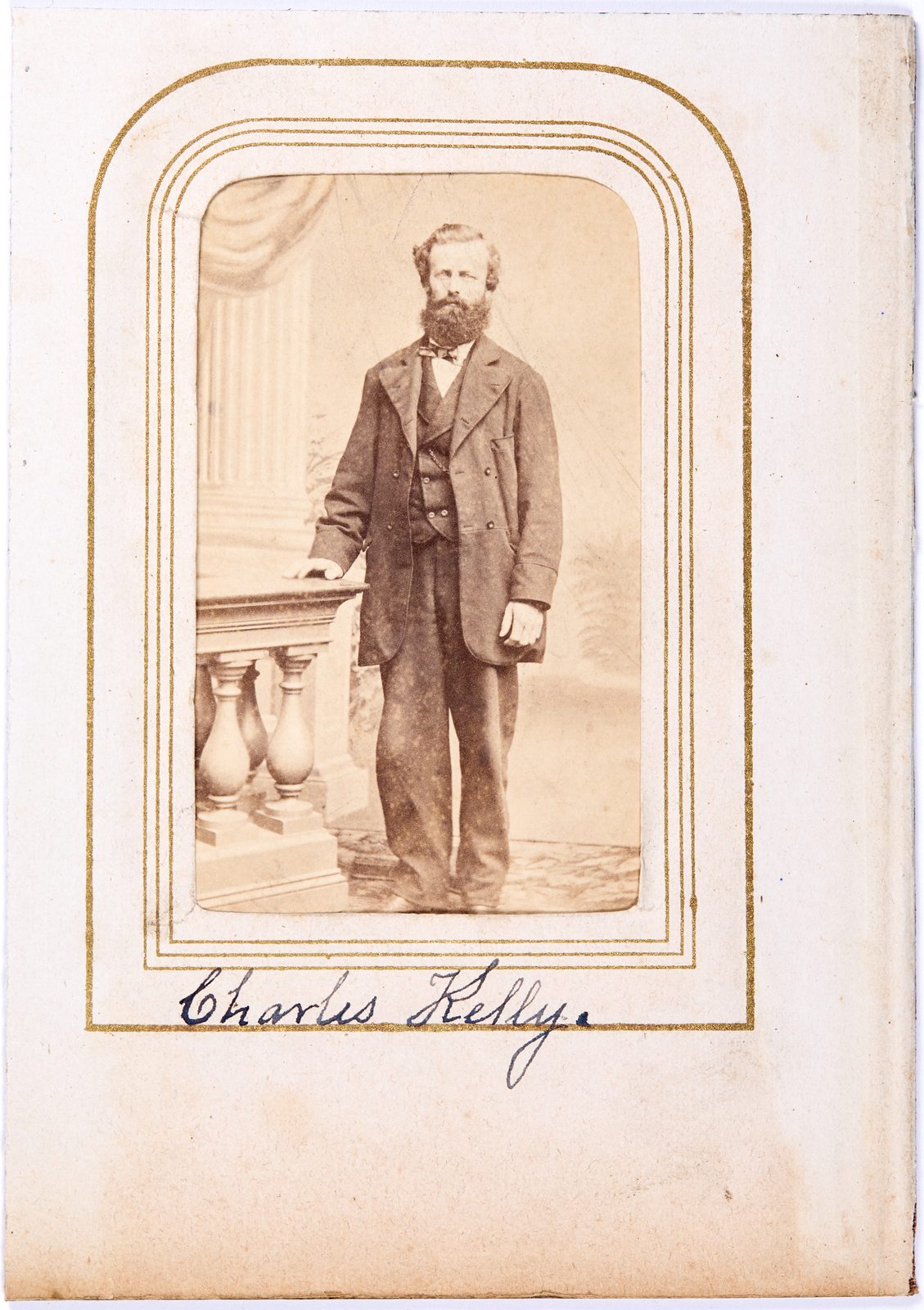 Samuel Trevorrowabout 1866 to 1913Tin miner, Botallack then Levant. Tributer2 accomplishments
- Samuel Trevorrow1907 to 1908none recorded
- Samuel Nicholas Trevorrow1917 to 1996Sergeant, Duke of Cornwall Light Infantry, 1940 to 1946; miner, Empire Mine, 1949 to 1956; then building contractor, Nevada County3 accomplishments
- Sarah Marilyn Trevorrowborn 1982Media asset manager, Telestream, Nevada City, from 20074 accomplishments
- Sheila TrevorrowlivingMarried to Kenneth Hedley TrevorrowPrivate
- Stephen Kenneth TrevorrowlivingChild of Kenneth Hedley Trevorrow and Jennifer TrevorrowPrivate
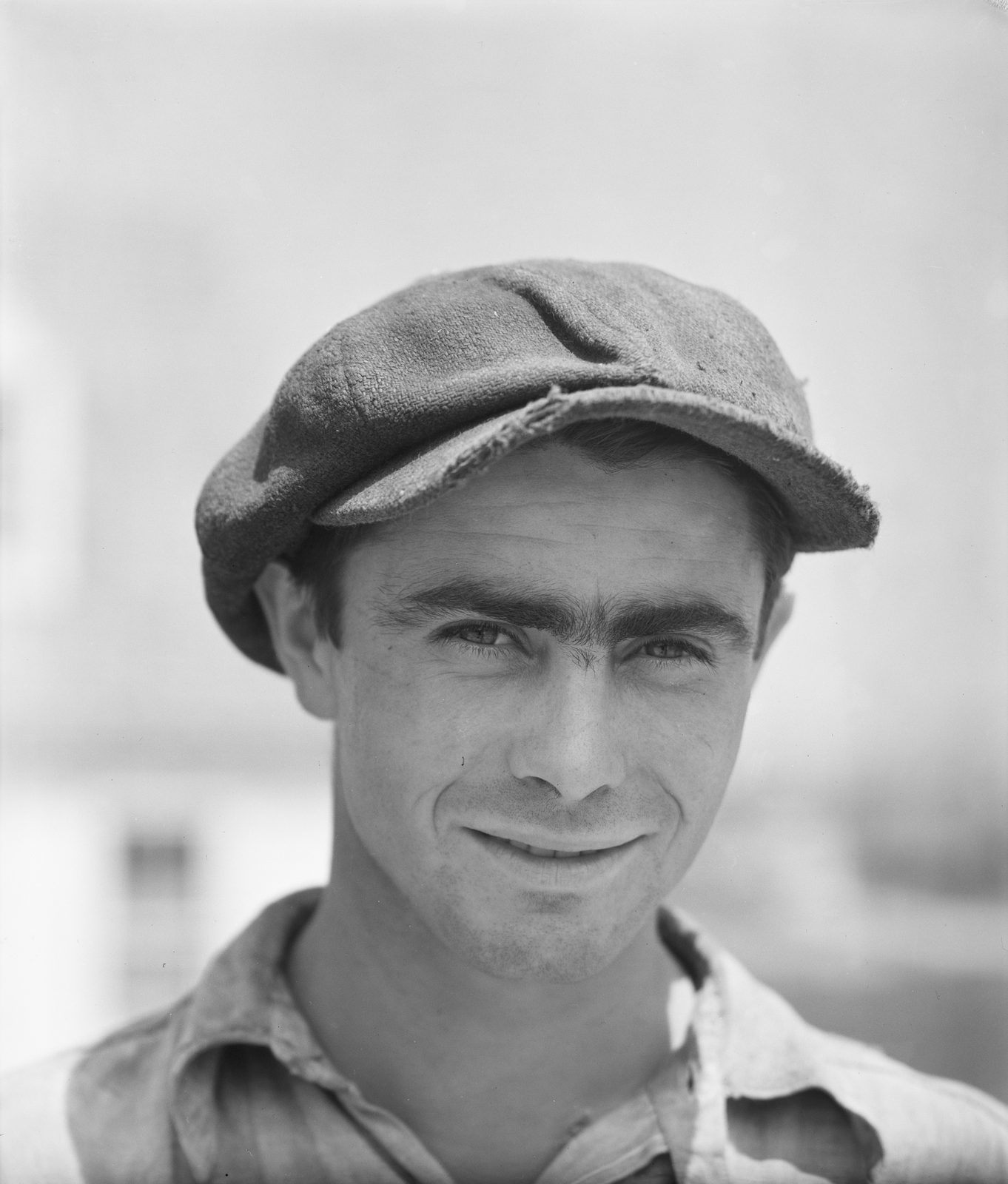 Thomas Vingoe Trevorrow1898 to 1969Hard-rock miner, Empire Mine, Grass Valley; timbering foreman from 19383 accomplishments
- Tyler Dennis TrevorrowlivingChild of Dennis Vingoe Trevorrow and Sandra Jane TreleasePrivate
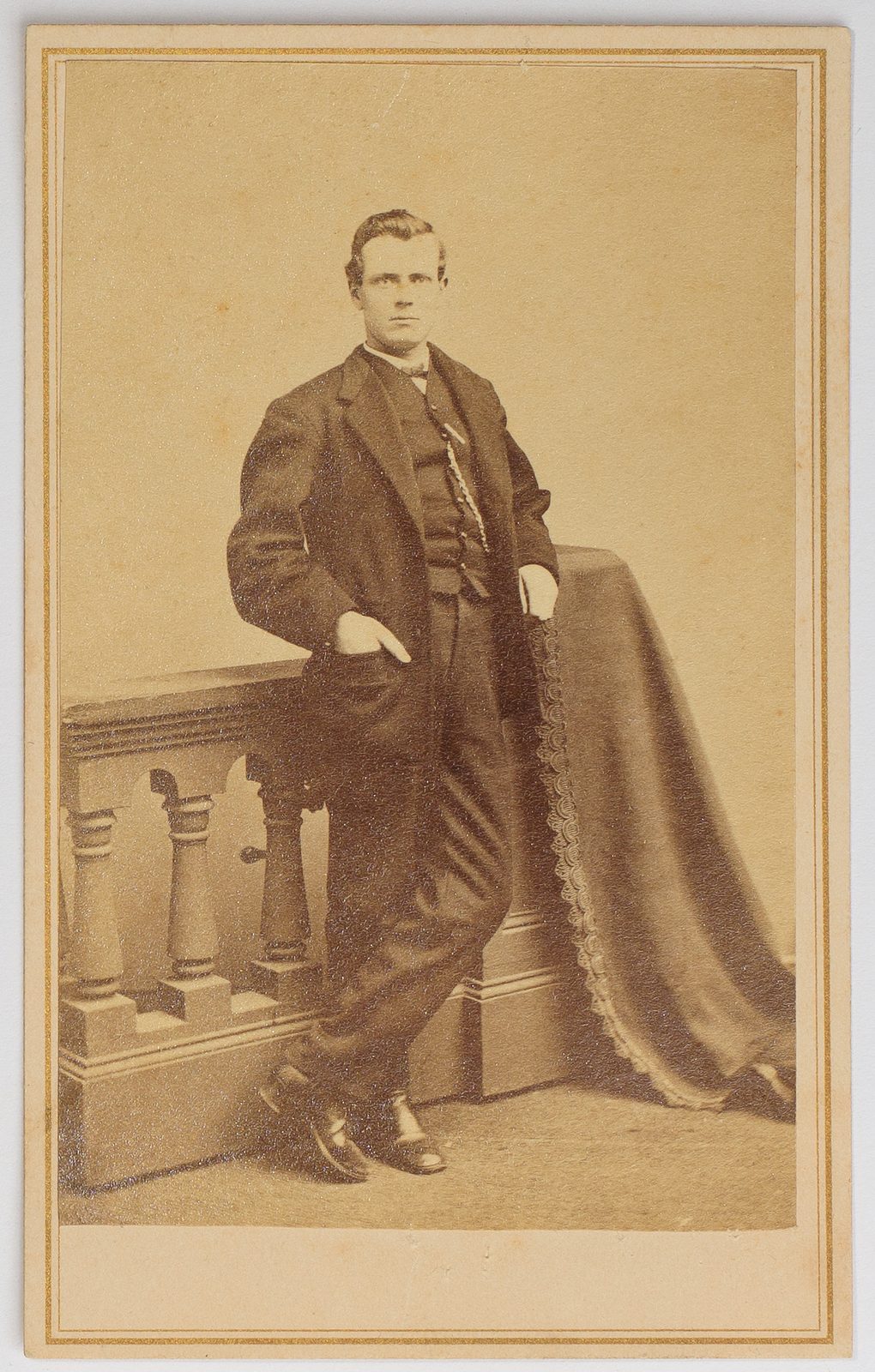 William Henry Trevorrowabout 1870 to 1906Rock driller, Witwatersrand, South Africa2 accomplishments
Vingoe
2 people
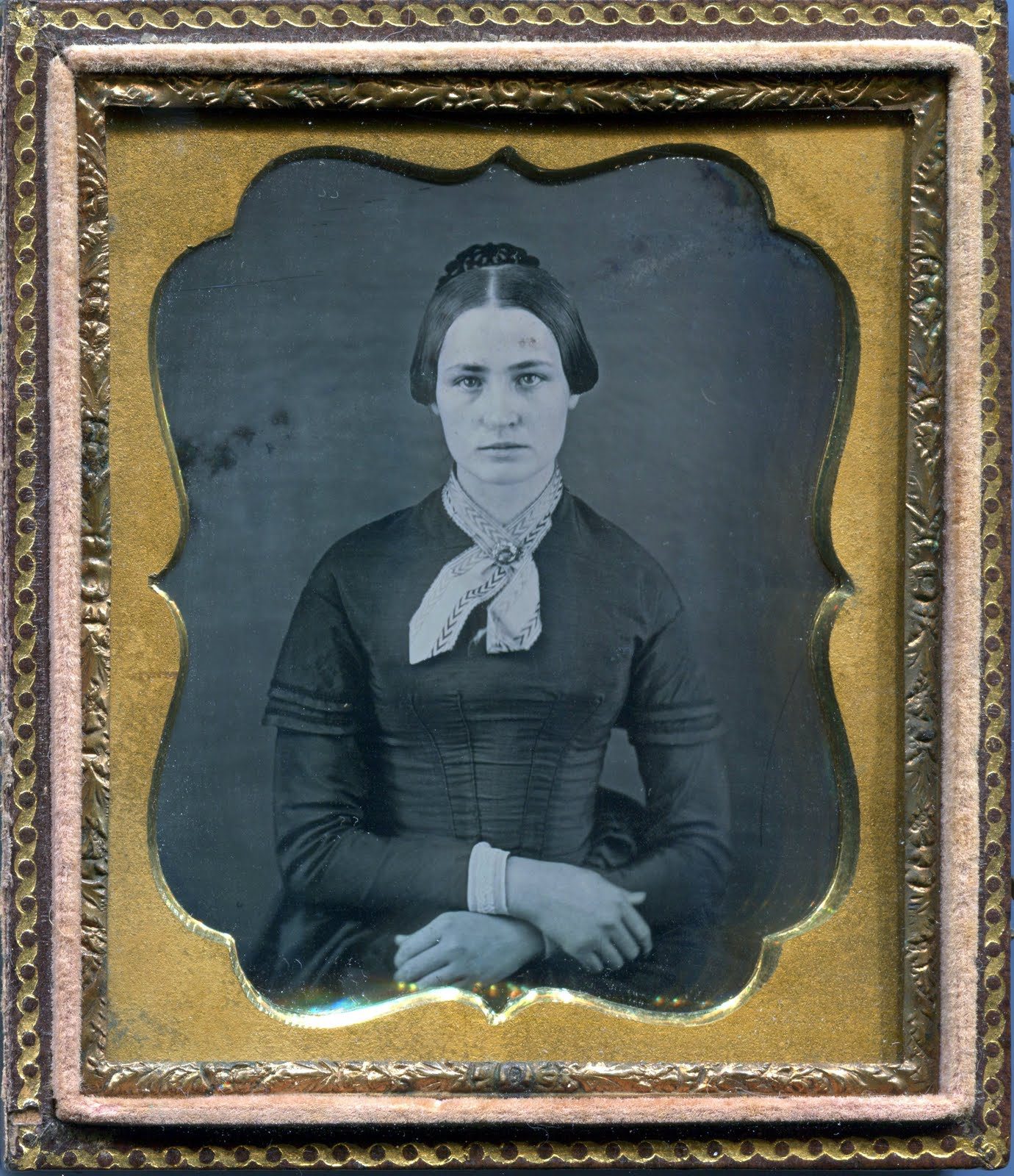
The 11 photographs in this list are public domain archival portraits of real people who are not these people. Sources: Wikimedia Commons (U.S. National Archives), Public domain; Wikimedia Commons, CC0; Wikimedia Commons, Public domain. Each one carries its full credit, with a link to the file it came from, on that person’s own page.