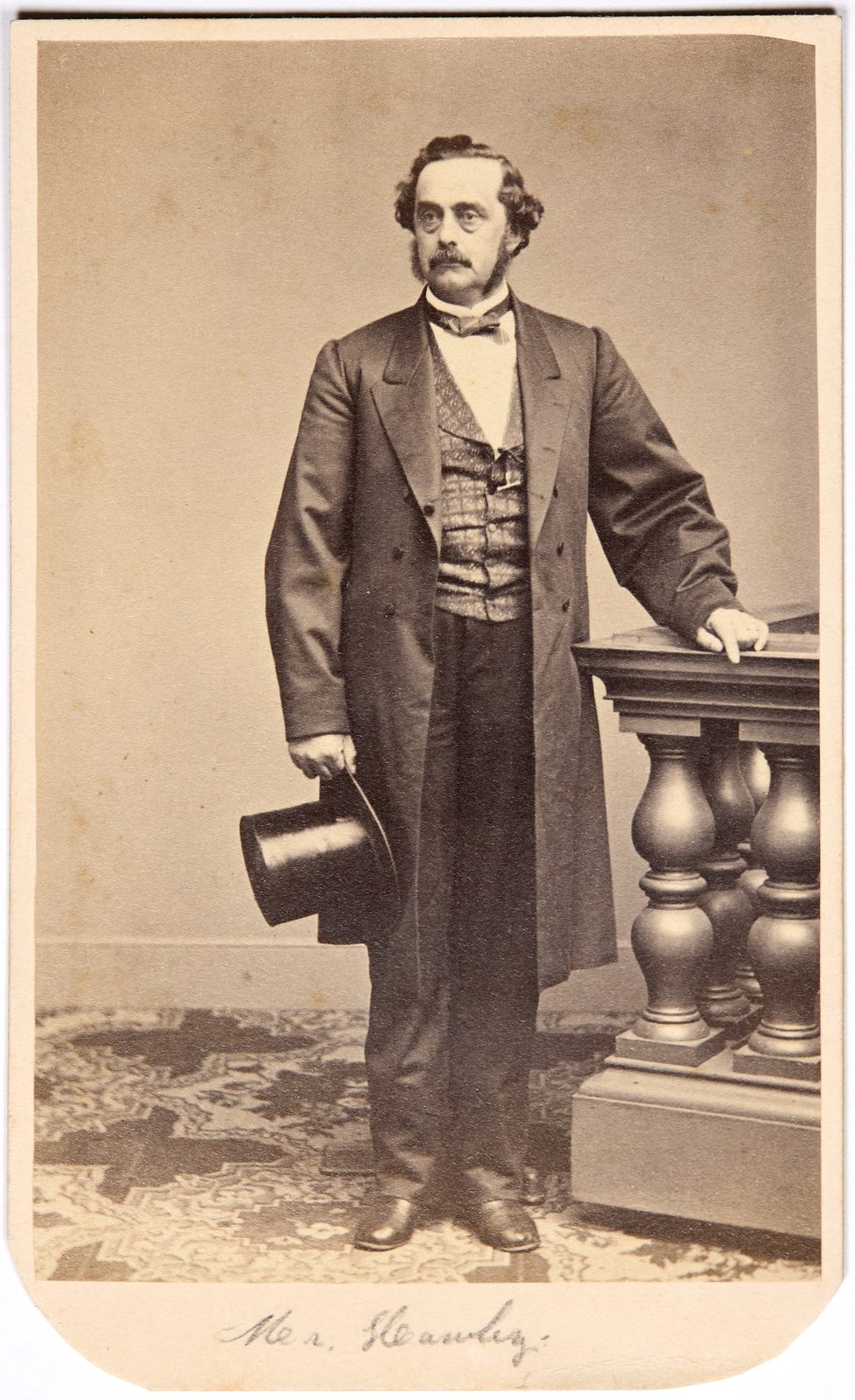
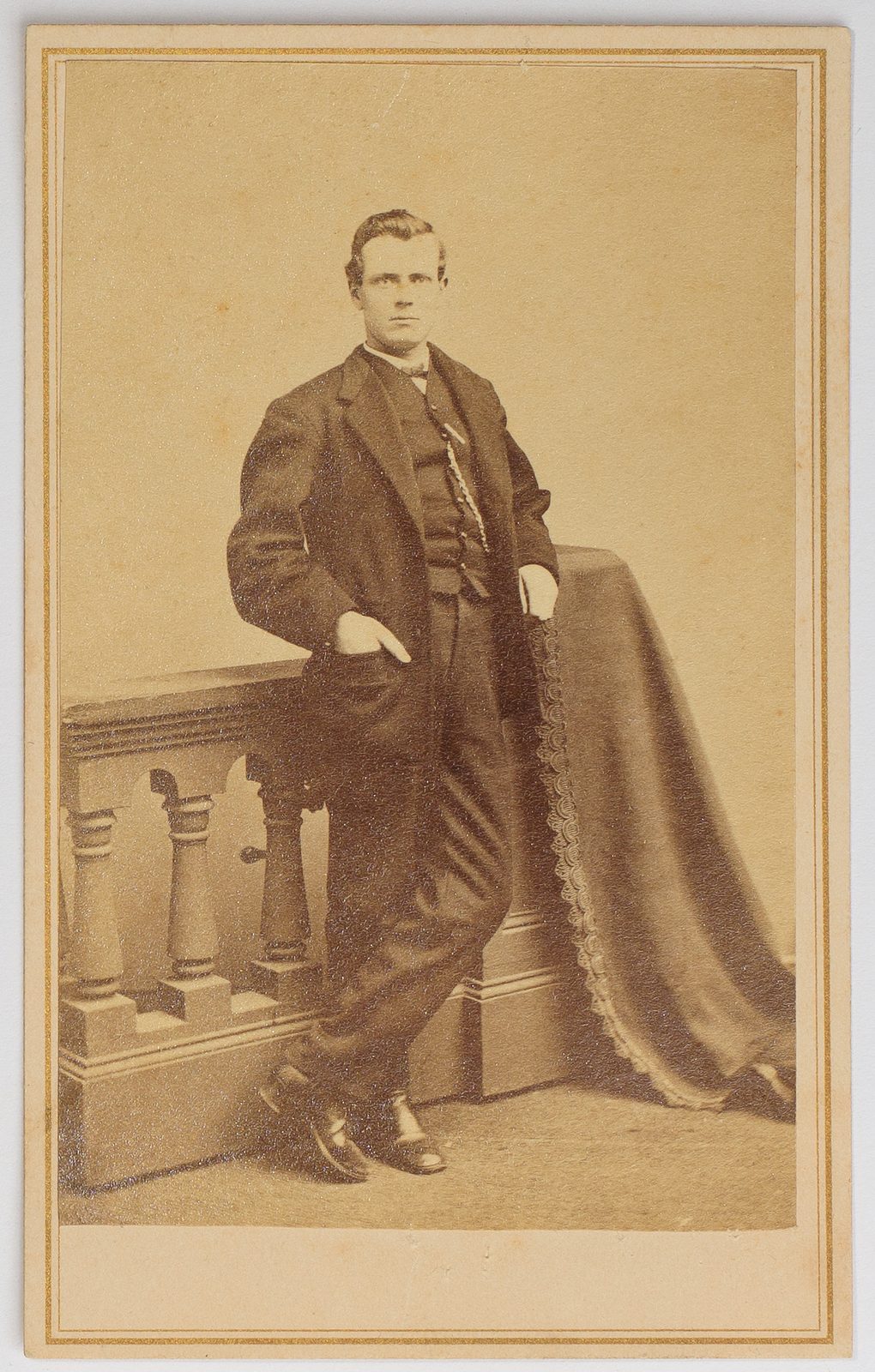
William Henry Trevorrow
about 1870 to 1906aged 36
Rock driller, Witwatersrand, South Africa
- Born
- about 1870, St Just in Penwith
- Died
- 11 June 1906, St Just in Penwith
Samuel's younger brother. He sailed for Johannesburg in March 1896 to drill rock on the Rand, because the Rand paid four times Cornish wages and because that is what Cornishmen did. He drilled dry rock for seven years, which is what killed him. He came home in September 1903 unable to climb Nancherrow hill without stopping, and he was dead in under three years. He never married and he is buried in St Just churchyard.
Accomplishments
- Sent home four pounds a month for seven years without missing one1896
Cornishmen went to the Witwatersrand after 1886 because hard-rock skill was what the Rand needed and it paid several times Cornish wages. His money paid off his brother mortgage and kept two of his nieces in school.
- Came home1903
A Transvaal Mines Department enquiry reported in 1902 that 17 per cent of Witwatersrand rock drillers died in a period of two and a half years, close to eight times the rate of other trades. Many did not come home at all. He came home in September 1903 and was dead in under three years.