A private archive

The Trevorrow family

Seven generations, from the tin mines of St Just in Penwith to the gold mines of Grass Valley, California. Forty one people, a hundred and one things they did, and the photographs that survive.

This is a demonstration, so the passphrase is printed here: . On the real archive it would be whatever you choose, and it would not be printed anywhere.

The passphrase here is checked in your browser, which keeps out anyone who finds the address but not anyone who opens the developer tools. The built version checks it at the edge and sets a signed cookie, so the pages are never sent to a browser that has not passed. That is a real difference and it is worth saying out loud rather than implying.

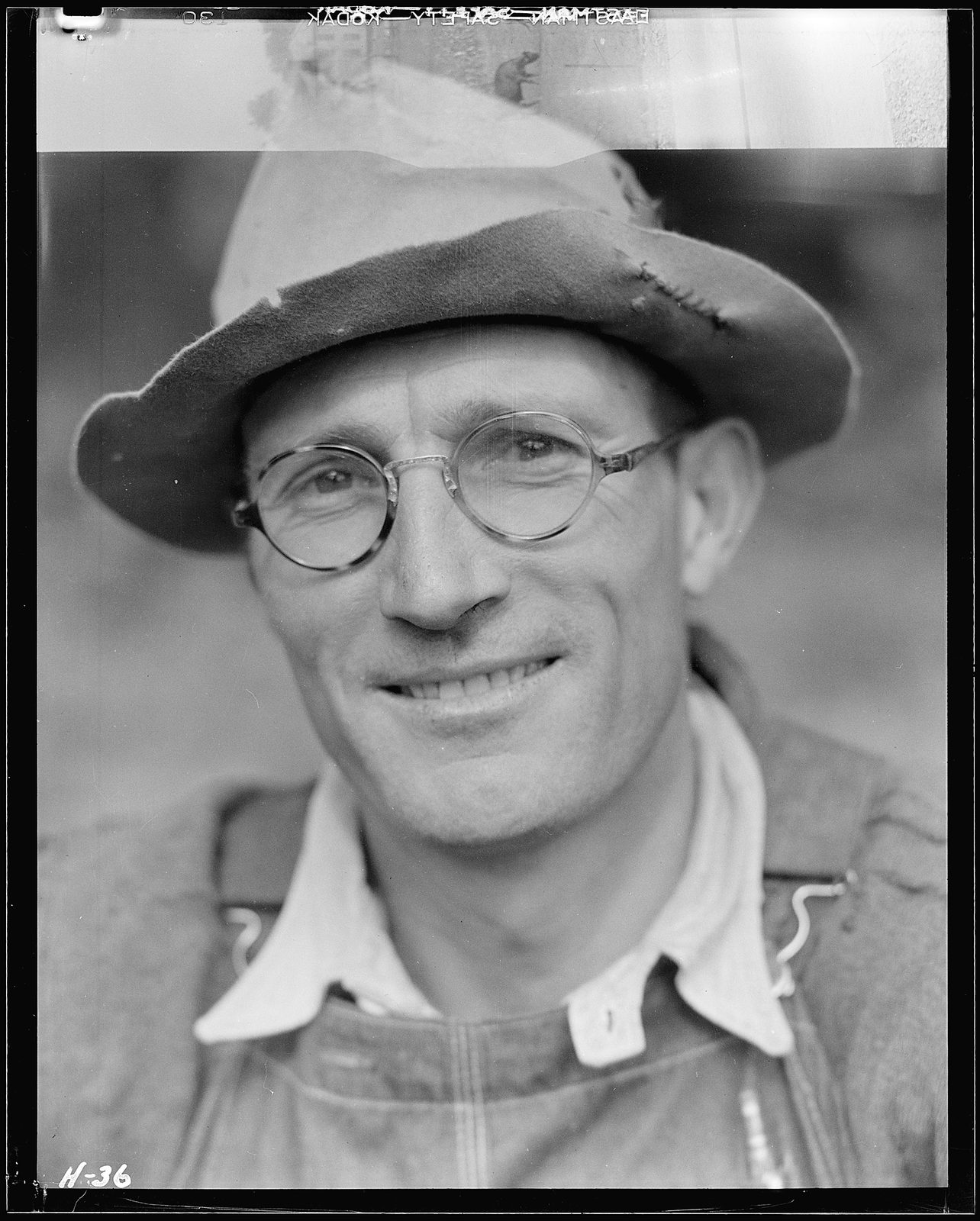
Wikimedia Commons, CC0

Parents

Hedley Vingoe Trevorrow

1910 to 1984aged 74

Tin miner then shift boss, Geevor Mine, Pendeen, 1927 to 1971

Born
28 November 1910, St Just in Penwith
Died
30 July 1984, St Just in Penwith

The youngest, two years old when his father died and raised more by his sister Loveday than by anyone. He went to Geevor at sixteen and stayed forty four years. He was an air raid precautions warden in Penzance through the war, which took over seven hundred alerts and 867 bombs and killed sixteen people in the town. The Cornish half of this family descends from him, and he never once in his life met the half that descends from his brother Thomas.

Accomplishments

  • Forty four years at Geevor Mine1927

    From 1927 to 1971, the last nineteen as shift boss. Three generations of this family worked at Geevor because he did.

  • Air raid precautions warden, Penzance, 1940 to 19451940

    Penzance and the surrounding district had over 700 air-raid alerts between 1940 and 1945, took 867 bombs, and lost sixteen people, with about 48 houses destroyed and 157 seriously damaged.

  • Fifty one years in the Pendeen chapel choir1949

    He sang the bass solo at his own mother funeral in 1949 because nobody else would.
Married

Children

Brothers and sisters

An invented family, built to show how this works. The photographs are real public domain archival portraits of real people who are not these people, and each one credits its archive. Freely licensed portrait photography effectively stops around 1946, which is why the earliest generations are rich and the recent ones are empty mounts. On your own archive, those are where your photographs go. What is real and what is not.